
Команда Vitality обыграла SK Gaming со счетом 2:0. LEC Лето
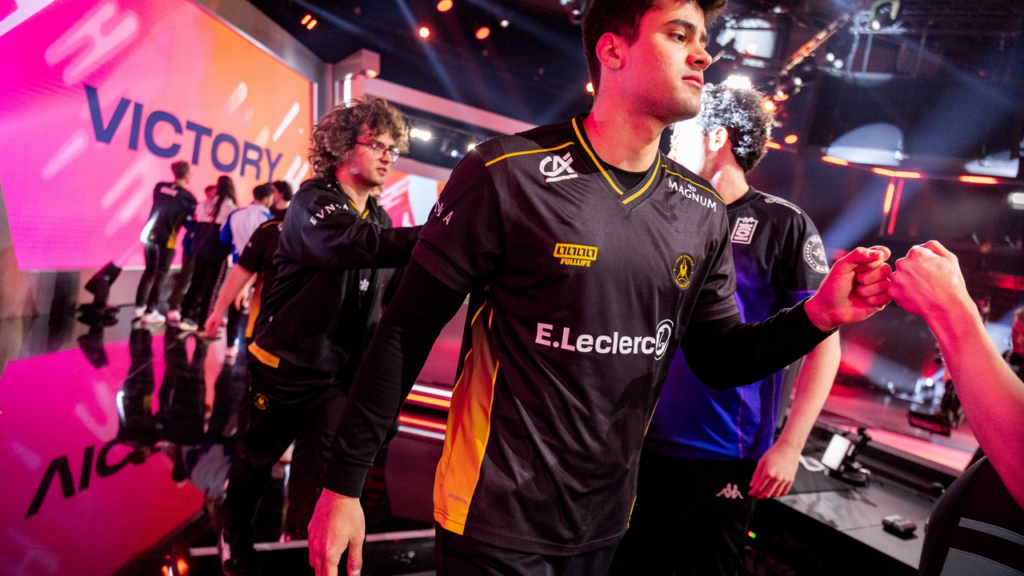
В ходе матча команда Team Vitality одержала победу над SK Gaming со счетом 2:0. LEC Summer split. The winners increased the pace after a competitive opening game.
Vitality won the first game with 23 champion eliminations against 14. The second ended after 24 minutes with a 24-7 advantage.
Vitality took thirty-two minutes to win game one
SK Gaming remained involved through the middle of the opening game. Vitality built its lead without ending the contest immediately. The 23-14 elimination score shows frequent fighting on both sides. Vitality converted more of those victories into structures and controlled areas. SK could still punish a careless entry because its champions had completed several items. Vitality reduced that risk by moving as a connected group.
Vitality destroyed the first nexus after thirty-two minutes. That finish gave the team the opening game of the series. The first game lasted thirty-two minutes because SK remained active through the middle phase. Vitality built advantages, but several fights still offered SK a route back. The elimination score reached 23-14, showing that both teams found direct battles. Vitality converted more of its wins into structures and map access. Each tower removed protected ground from SK and made later vision harder to replace. The team then moved as a group instead of offering isolated targets. SK’s completed items kept the contest dangerous until Vitality reached the base. The first nexus finish supplied the series lead after a genuinely competitive game.
The second game moved much faster
Vitality completed game two in twenty-four minutes. The eight-minute reduction reflected stronger control from the opening stages. SK recorded seven champion eliminations while Vitality reached twenty-four.
The wider gap limited SK’s ability to contest later objectives. Earlier structure losses opened direct routes through the jungle. Vitality could place vision deeper without walking through unknown areas.
Vitality reached the base with enough minions and surviving players to finish the second game. Game two developed faster and ended after twenty-four minutes. Vitality created an earlier lead and did not allow SK the same recovery window. The elimination gap grew to 24-7 while outer structures fell quickly. Deeper vision let Vitality see rotations before SK could reach the river. That information reduced the need for risky blind checks. SK had less protected space and fewer completed items for the later fights. Vitality used minion waves to pressure more than one lane. The shorter finish showed a clear change from game one rather than a copy of the same plan.
Two games followed separate rhythms
The opener contained a longer competitive phase and more response from SK. Game two moved toward Vitality before the same late stage developed. Treating both games as identical would hide that change. Vitality had to solve a closer contest before producing the faster finish.
Fearless draft also changed the champions available after game one. The team maintained its coordination with a different selection. SK could not use the new draft to reset the series. Vitality carried its map control into the second set of champions.
Vitality converted lane pressure
Strong lane states allowed Vitality to move first toward the river. Those earlier rotations reduced the number of entrances that SK could use safely. The advantage became more visible after outer towers fell. SK had to walk farther from protected territory to contest the same objective. Several lanes remained competitive during the early minutes. Vitality’s coordinated movement later combined small leads into one team advantage.

That process explains the faster second game better than one isolated fight. The map was already difficult for SK before the final attack. A new fearless draft changed several champions for the second game. Vitality maintained its links between lanes even with the different selection. The team still created pressure before objectives and entered the river as a group. SK’s new champions did not solve the earlier loss of map space. Draft value depends on movement, timing and execution after loading into the game. Vitality handled those steps more consistently across both selections. The two games now provide examples of a slower win and a rapid one. SK’s resistance disappeared much earlier during the second game.
SK found fewer recovery windows
SK created fourteen eliminations in the opener and showed that it could punish mistakes. The team had fewer such chances in game two. Seven eliminations were not enough to restore lost structures. Vitality continued pressing separate lanes after each brief interruption. SK spent valuable time clearing waves and replacing lost vision. The twenty-four-minute finish left little space for a complete recovery.
The defeat therefore combined two problems: a lost close game and a second game that moved away much earlier. The sweep adds one series victory to Vitality’s summer record. The wider elimination margin did not change the series score. Vitality won the first game after a close middle phase. The team controlled the second game much earlier and finished the series quickly. SK competed for longer in the opener but could not repeat that resistance. The two games followed different rhythms and required different winning moves. Vitality secured both victories without allowing a third game.
Vitality complete the series in two games
Vitality completed the series after two games. The faster second win reduced the total stage time. The result adds one win to the team’s summer record. It does not award extra points for the larger elimination margin in game two. The opener remained competitive much longer than the second game. Vitality adapted to both rhythms and protected its series lead.
Vitality won the longer opener and closed the next game eight minutes sooner. Those two victories produced the final 2-0 series score. Vitality’s faster second game also reduced the number of items available to SK’s carries. Early structure gold widened the gap before later team fights began. SK needed time and safe waves to complete another purchase, but Vitality kept advancing the lanes. Fighting immediately would have favoured the better equipped lineup. Waiting allowed more structures to fall. That difficult choice followed from the first twenty minutes rather than the final attack. Vitality created the conditions for a quick finish and then executed it. The result reflects sustained pressure across both games, with a much sharper pace in the second.