
Команда DN SOOPers одержала победу над командой Hanwha Life в четвертьфинале Кубка KeSPA.
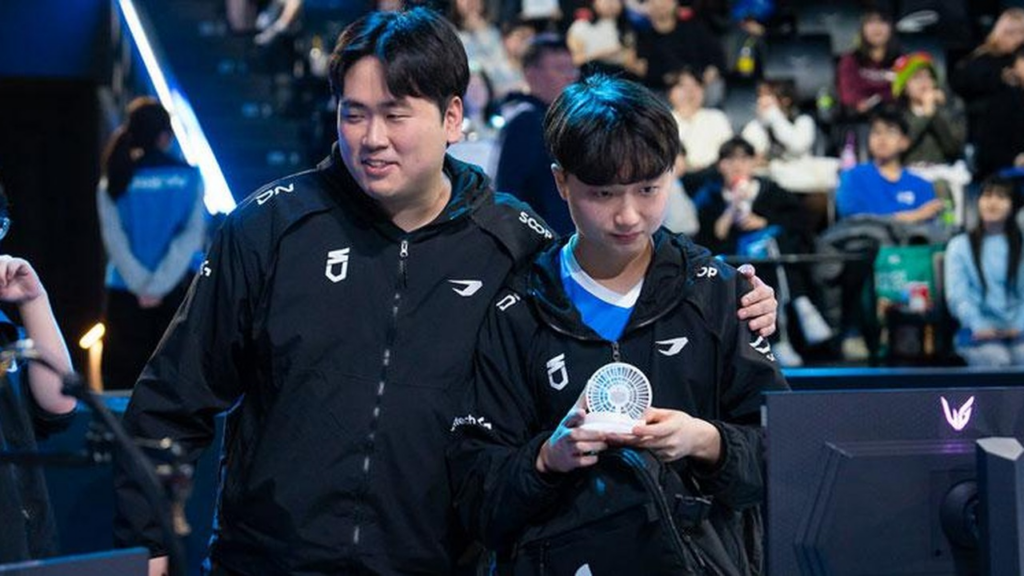
DN SOOPers defeated Hanwha Life Esports 3-0 in the KeSPA Cup quarterfinal. The best-of-five ended after the first three games.
The victory sends DN SOOPers into a semifinal against T1. Hanwha Life did not take a game in the knockout series.
The quarterfinal never reached game four
DN SOOPers won the first three games of the best-of-five. Hanwha Life could not extend the quarterfinal beyond game three. Each victory placed DN SOOPers closer to the published semifinal bracket. Each game still began with a fresh map and new champion choices. DN SOOPers won all three games and completed the sweep.
Hanwha Life had a chance to respond after each loss. DN SOOPers stopped those responses before they became a game victory. DN SOOPers reached three game victories without losing one in the quarterfinal. A best-of-five demands a wider pool of prepared drafts than one isolated match. Hanwha Life received a new starting map after every defeat, but none became a completed win. DN SOOPers repeatedly moved first toward the centre and river. Earlier vision forced Hanwha Life to spend time clearing routes before contesting objectives. That delay often separated one player from the rest of the lineup. DN SOOPers used the moment to take space or begin the objective. Three successful finishes created the earliest possible end to the series.
Fearless draft rewarded a wider pool
The match used fearless draft on patch 26.15. Previously selected champions became unavailable to the same team later in the series. Three games used several functioning champion combinations. DN SOOPers maintained its coordination while changing important roles. Hanwha Life also received new draft routes after each defeat.
The different choices did not change the final direction of the match.
Champion depth mattered because the series lasted beyond one opening plan. DN SOOPers found three successful lineups before the restriction became deeper. Fearless rules removed champions already used by the same team from later drafts. The restriction became more important when the match reached a third game. DN SOOPers maintained useful engage, damage and lane control across each selection. Hanwha Life also changed its combinations but could not reverse the map pattern. Draft depth mattered because no winning lineup could be copied exactly. Coaches needed several plans that connected all five roles. DN SOOPers showed that preparation before the quarterfinal. Their coordination remained stable while the available champion pool became narrower.
DN SOOPers controlled the middle of the map
The winners repeatedly reached river areas before major objectives appeared. Earlier vision reduced the risk around their first approach. Hanwha Life had to clear that information before starting a fight. The extra step cost time and sometimes separated the frontline from the carries. DN SOOPers used side-lane waves to increase the pressure. A player answering those waves could not arrive at the river immediately. This control did not depend on one spectacular elimination. It developed through repeated movement before the main fights. Hanwha Life found moments where an opponent was isolated or an objective remained contestable. Those moments did not become a complete game win.
DN SOOPers protected enough surviving players to clear the next wave. That response limited the lasting effect of individual losses. Hanwha Life changed champions and early routes between the games. DN SOOPers still protected its control before each new response developed.

Hanwha Life reached that limit after game three. The bracket result records elimination from the quarterfinal. Side-lane pressure supported DN SOOPers before the decisive team fights. Hanwha Life often had to answer a wave while the opponent prepared around the river. Arriving late reduced the number of safe entrances and increased the risk of walking through hidden vision. DN SOOPers did not require a spectacular steal to control every objective. The team built advantages before the fight through position and timing. Hanwha Life found several individual opportunities, but surviving opponents cleared the next wave. Those responses prevented one good play from becoming a complete recovery. The same pattern continued until the third nexus fell.
The semifinal opponent is already known
DN SOOPers advance to face T1 in the semifinal. The new matchup follows directly from the published KeSPA Cup bracket. The semifinal begins from 0-0 despite DN SOOPers’ quarterfinal win. Earlier results decide advancement but provide no automatic game lead. The three quarterfinal drafts provide T1 with public information about DN SOOPers. Fearless rules also leave many unused selections available.
DN SOOPers receive less recovery time than a team that played earlier. The exact schedule determines how the staff divide review and rest. The bracket sends DN SOOPers into a semifinal against T1. Both teams will enter with fresh drafts under the same fearless rules. T1 has three quarterfinal selections available for analysis, while many champions remain unused. Hanwha Life briefly broke DN SOOPers’ control during several phases. A short series provides less stage footage than five games. Private practice therefore supplies additional preparation material. The quarterfinal record remains clear: DN SOOPers won three games and moved into the next round.
Three completed games decide the quarterfinal
DN SOOPers earned the semifinal place through three completed game victories. DN SOOPers ended every game by destroying the opposing nexus. Hanwha Life could not complete the same task once. A short series also limits the amount of stage play available for statistics. The three wins remain sufficient to decide the bracket.
DN SOOPers advance to a semifinal against T1. The quarterfinal ended after three consecutive game victories. Hanwha Life changed champions and several early routes during the series. Every attempt still ended before the team secured a game victory. DN SOOPers controlled three separate drafts without extending the quarterfinal. The winners also revealed fewer champion choices than they would in a longer series. DN SOOPers advanced after winning three games. The semifinal against T1 is the next match on their KeSPA Cup schedule. The three games lasted just under seventy-five minutes in total. None continued beyond the twenty-sixth minute. DN SOOPers recorded eighty-one champion eliminations, while Hanwha Life finished with thirty-six. The winners also destroyed twenty-nine structures against two from their opponents. Deokdam led DN SOOPers with twenty-four eliminations across Jhin, Kalista и Caitlyn. Peter contributed fifty-six assists while using three different support champions. Clozer added twenty eliminations from the middle lane. Those totals came from three distinct fearless drafts rather than one repeated lineup. DN SOOPers produced similar control despite changing champions in every role. Hanwha Life found more eliminations during the second game, but the map still ended before twenty-six minutes. The final game was the shortest and completed the sweep.