Mazino has confirmed that he is now calling for MIBR. The change did not add a new player, but it changed how the team will be judged when Stage 2 begins.
The move changes the team’s centre
Roberto “Mazino” Rivas has taken over MIBR’s in-game leader role from Andrew “Verno” Maust. That is a major change even without a transfer.
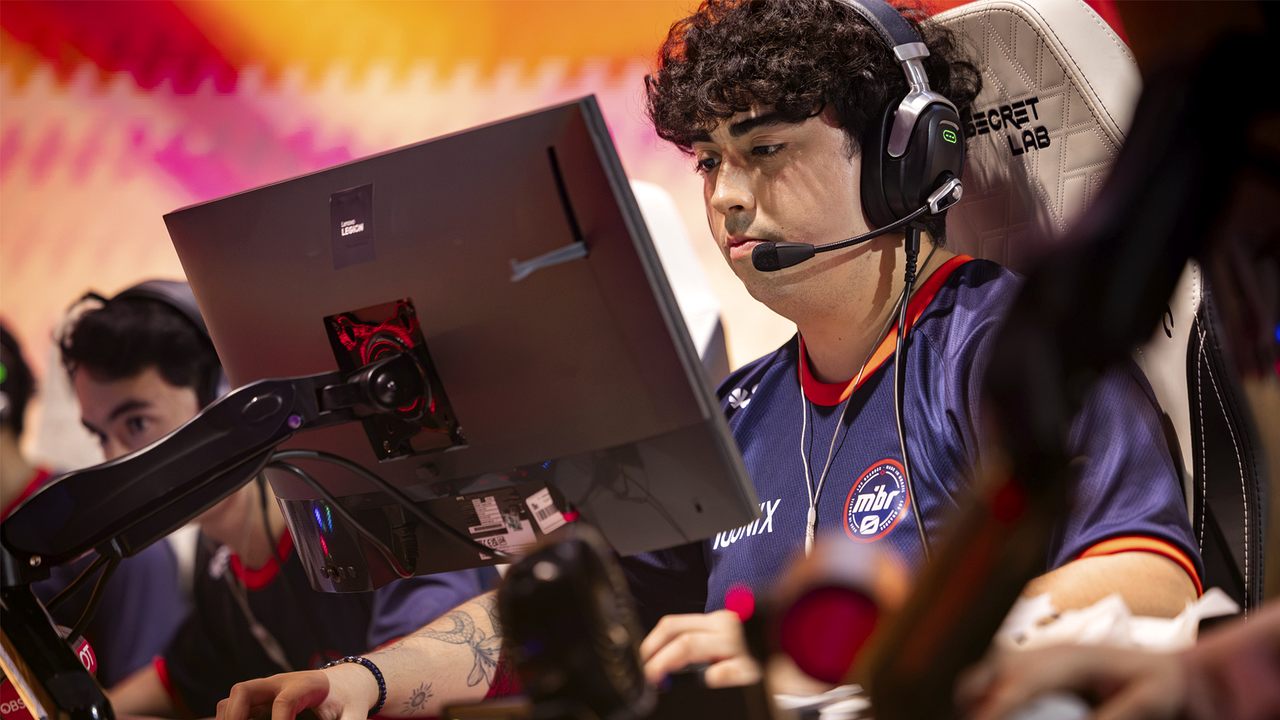
A team can keep the same five names and still become different if the main voice changes.
The important detail is that Mazino described the decision as a team choice. That matters because an IGL change can easily look like blame if it is handled badly. MIBR need this to feel like a shared adjustment, not a public demotion for one player.
Stage 2 will show whether the change makes the team easier to read. MIBR do not need every round to become perfect. They need the calls to arrive with less doubt and more shared timing.
Mazino already had the right profile
Mazino said he was already a player who spoke a lot about plans and game ideas. That makes the move easier to understand. Some IGL changes ask a quiet player to become loud overnight. This one appears to put more formal weight on a voice that was already active.
That can help teammates accept the shift. If a player has been part of the round plan before, his full leadership role feels less sudden. The team still has to adjust, but it is not starting from zero.
The hard part is that talking about ideas is not the same as owning the final call. An IGL has to carry missed reads, slow rounds and timeout pressure. Mazino’s next job is to make that responsibility useful rather than heavy.
| Mazino область | Главный пункт |
|---|---|
| Изменить | Mazino взял на себя MIBR’s IGL role. |
| Previous caller | Verno had held the role before the switch. |
| Следующий тест | MIBR открыть второй этап против NRG в июле 18. |
.
Verno’s role still matters
The story should not be reduced to Mazino заменив Verno во всех смыслах. Verno can still be important if his role becomes clearer and less overloaded. A player who no longer calls can sometimes give better individual value because the mental burden changes.
That depends on how MIBR divide information. If Verno keeps useful reads and Mazino controls the final direction, the team can gain two voices instead of losing one. If the change creates silence or confusion, the same names will look less connected.
That is why the first matches after the announcement matter. Viewers should watch spacing, timeouts and late-round pace. Those details will show whether the leadership map is cleaner.
The EWC clue was already visible
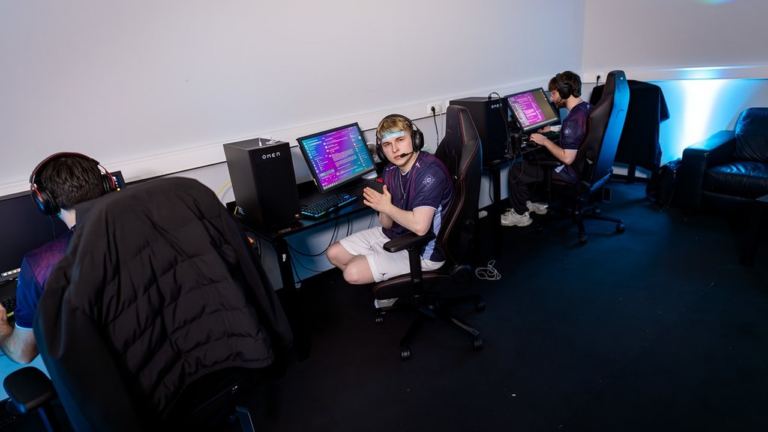
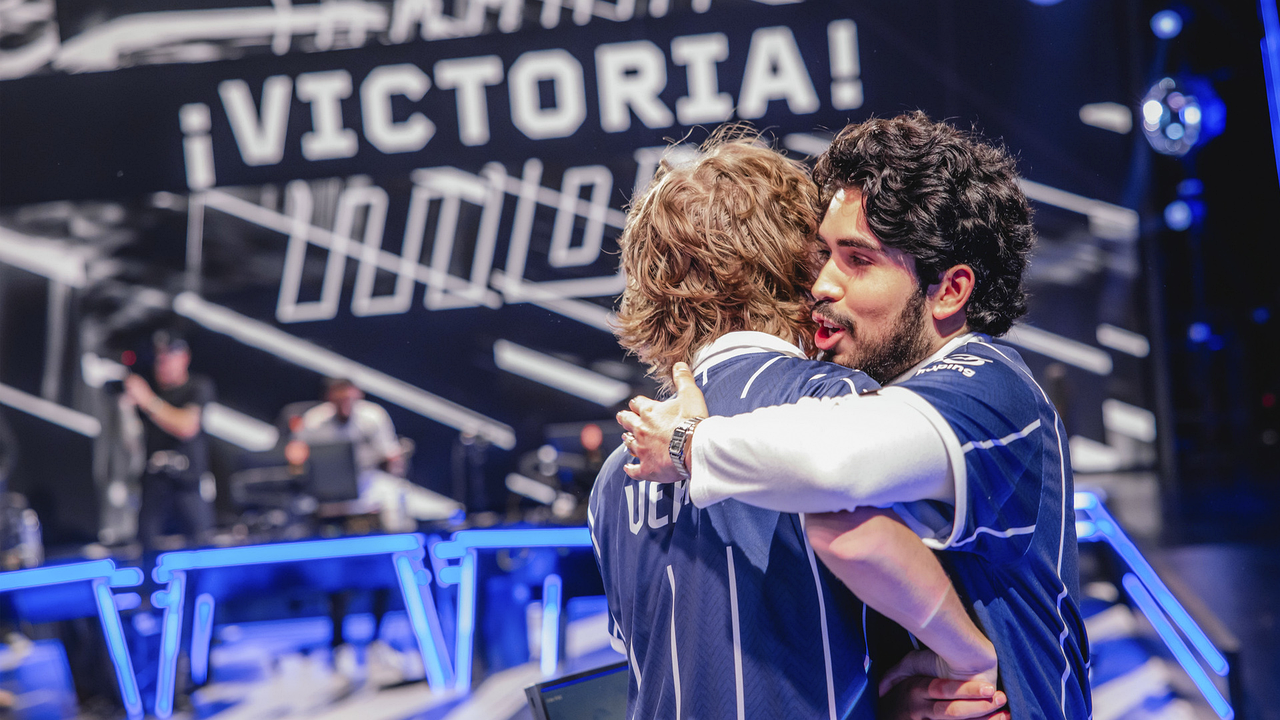
Mazino и Verno changed seating order during the Esports World Cup. The team made the role change visible. That kind of stage detail can look small, but teams care about comfort and communication lines.
Seat order can affect who sees whom, who speaks first and how quickly a player can pass information across the desk. It does not win maps alone. It can still help a team make a new calling structure feel natural under pressure.
MIBR’s EWC exit means the change did not solve everything instantly. That is fine. The real test is whether the role becomes clearer after practice, not whether one event immediately becomes a trophy run.
NRG gives the change a hard first measure
MIBR's первый матч второго этапа против NRG is a difficult place to test a new voice. NRG can punish slow defaults and unclear mid-rounds. If MIBR spend too long deciding whether to finish, reset or fight for space, the map can run away quickly.
That also makes the match useful. A soft opener can hide problems. NRG will expose whether Mazino’s calls are early enough and whether teammates trust the plan after contact. The scoreboard will matter, but the shape of the rounds may matter even more.
The best early sign would be fewer rounds where MIBR look split between two ideas. Even a lost map can show progress if the team reaches decisions together.
Leadership is judged in repeatable habits
A new IGL role should not be judged only by one heroic call. Leadership is visible in repeated habits. How does the team leave spawn? How does it react to first blood? How does it use the last thirty seconds when the first hit fails?
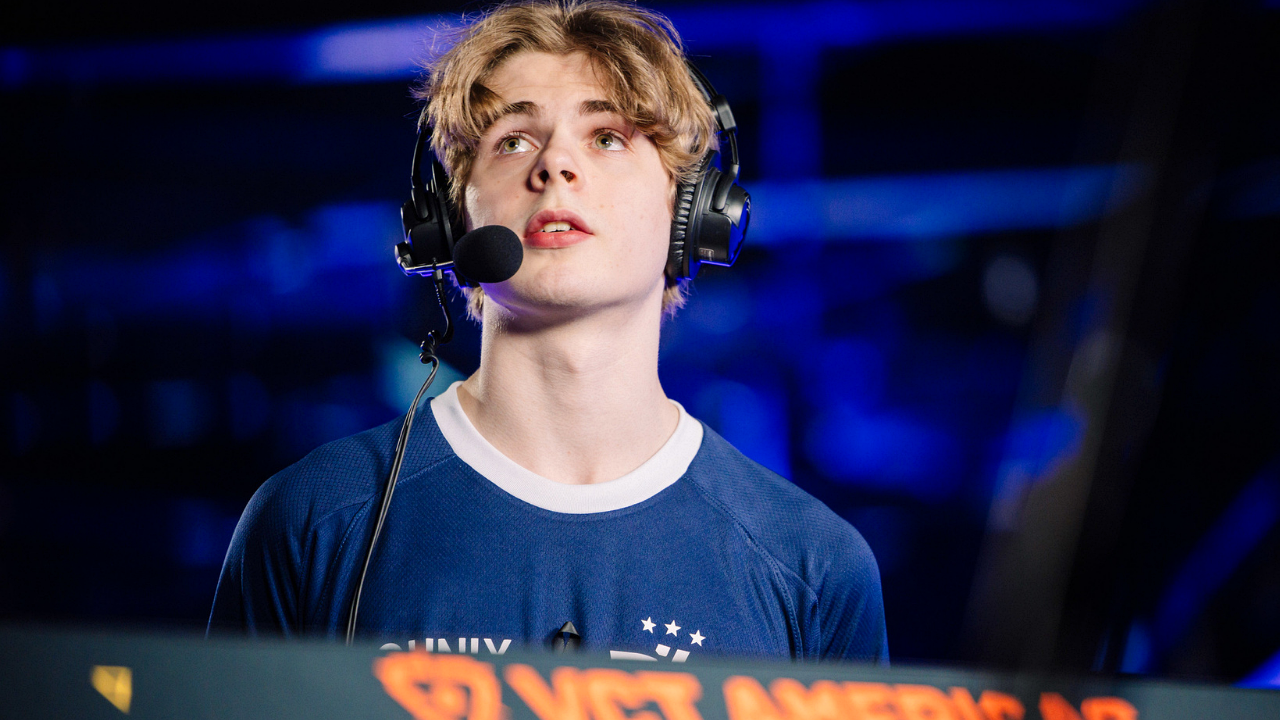
Mazino’s challenge is to make MIBR’s good ideas easier to repeat. The team has talent, but talent needs a frame. If his calling gives that frame, Stage 2 can become a real reset without a roster change.
The move is therefore simple to describe and hard to execute. MIBR changed the voice, not the lineup. Now the same five players must show that the new voice makes the game easier to play.
What would make the change visible
The role change will be visible if MIBR’s mid-rounds become shorter and more shared. A good IGL does not need to create a complex plan every round. He needs to remove doubt at the right moment. If teammates trade faster and rotate with more trust, the change will already be doing work.
The opposite sign would be split reactions after first contact. If one player wants to finish, another wants to reset and the lurk arrives too late, the new title will not matter. Mazino’s job is to make the first idea and the second idea feel connected.
Why teammates must protect the caller
An IGL cannot fix every round alone. Teammates have to give short information, accept the call and avoid turning comms into a debate when the clock is low. Mazino lead the plan, but the rest of MIBR must protect the space he needs to make decisions.
That shared discipline will be especially important against teams that pressure the map early. If every player reports clearly and moves on time, the new caller can focus on the next choice. If comms become crowded, the role change will feel heavier than it should.