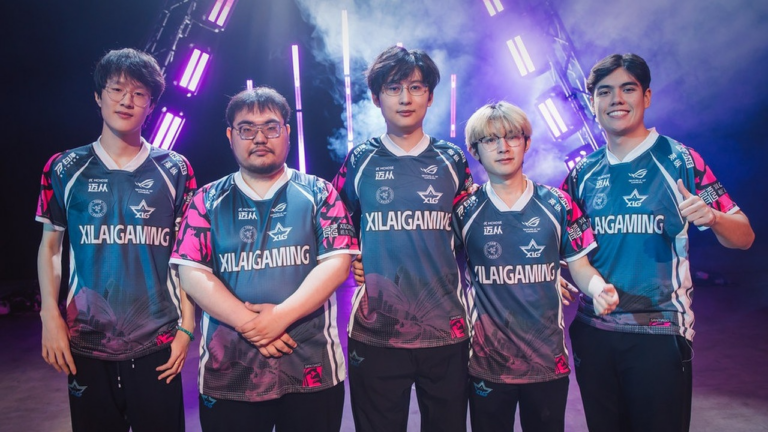
FUT Esports бить Eternal Fire 2-0 in the upper semifinal of the VCT EMEA Stage 2 play-ins. Lotus required overtime before FUT secured a 15-13 win. The second map was more controlled, with FUT taking Ascent 13-9, таким образом, серия завершилась со счетом 13-9.
Both teams had chances on the opening map, but FUT handled the final overtime cycle better. That narrow win reduced pressure on Ascent. Eternal Fire remained competitive there, yet FUT защитил свой lead and avoided a deciding third map.
Lotus produced the decisive pressure test
Eternal Fire выбранный Lotus and kept the map level through regulation. Both teams found rounds on attack, so neither defence created a lasting gap. The match entered overtime after several late situations were decided by one duel. FUT stayed patient when the score reached the win-by-two phase. They did not force an early finish through risky solo plays. The team used utility to clear close positions and traded the first contact.
A 15-13 map can turn on very small details. One saved rifle changes the next purchase. One delayed rotation changes the final site. FUT managed those details well enough to take the opponent’s choice.
Ascent rewarded steadier control
FUT выбрал Ascent and created the more stable performance. Their default play collected information before the final attack. Eternal Fire often had to decide whether to rotate early or protect both sites with fewer players. The 13-9 score shows that Eternal Fire continued to contest the map. They found defensive stops and punished several slow attacks. FUT responded without losing the structure of the game plan.

The closing rounds were especially important. FUT kept enough equipment for full purchases and did not open unnecessary gaps after taking the lead. The team finished the map before Eternal Fire could force another overtime.
| Карта | FUT Киберспорт | Eternal Fire |
|---|---|---|
| Lotus | 15 | 13 |
| Ascent | 13 | 9 |
FUT won with two different tempos
Lotus demanded repeated adaptation because the score stayed close. Ascent разрешено FUT to build a clearer advantage. Winning both types of map shows useful tactical range in a short play-in stage. The team changed pace inside rounds as well. Slow information gathering could become a quick final hit when a defender moved. That shift made it harder for Eternal Fire to hold utility for the correct site.
Defensive rounds followed the same principle. FUT sometimes challenged early space, then used deeper positions on the next round. The variation reduced easy reads and kept Eternal Fire checking several areas.
Eternal Fire leave with a narrow and a clear урок
Lotus defeat was close enough to show that Eternal Fire может соответствовать FUT. Their task is to convert more late rounds when players and equipment are nearly equal. Clearer communication can remove the short hesitation that decides overtime. The Ascent result exposed broader problems for Eternal Fire. Their responses became less effective when FUT controlled the middle of the map. Giving away that space made both sites difficult to reinforce.
The team also protects its economy after close losses. A weak purchase can become a second lost round. Better saving decisions help prevent a small deficit from becoming a complete half.
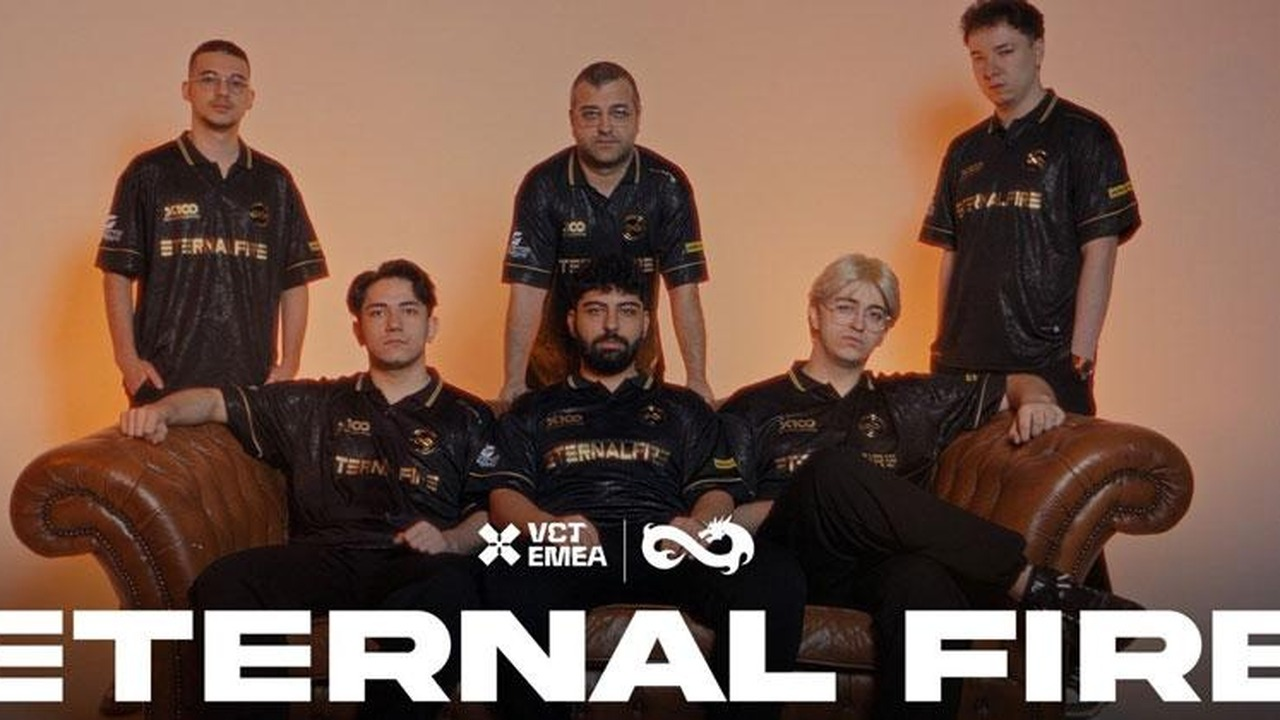
The upper path keeps FUT in control of its route
FUT advance without using the deciding map. That result limits fatigue and preserves prepared material. It also gives the staff a clean two-map recording for the next opponent review. The victory was not built on a misleading blowout. FUT survived the closest possible opening and then won a solid second map. That sequence offers stronger evidence than one easy map followed by an uncertain finish.
Lotus завершилось со счетом 15-13 и Ascent ended 13-9. The scores tell a simple story: FUT handled overtime, carried the confidence forward and closed the series in regulation. Eternal Fire continue through the remaining bracket route.
Overtime placed extra weight on side selection
Lotus continued until one team won two rounds in the overtime sequence. Each side received an attack and a defence. A team could not finish the map through one favourable side alone. FUT needed a complete plan for both rounds. On attack, they created a safe plant and protected the spike. On defence, they denied the first entry and made Eternal Fire spend valuable time.
The close opener also affected the second-map energy. Winning overtime can lift a team, while the loser has only a short break to reset. FUT used that advantage without becoming reckless on Ascent. Eternal Fire‘s response kept the second map competitive. The final difference came from FUT‘s cleaner closing sequence. The series shows why one overtime round can influence the next map without deciding it automatically.